
Acoustic Control for Multi-Use Spaces
Sound Insulation in Sioux Falls for homes needing noise reduction between rooms and floors
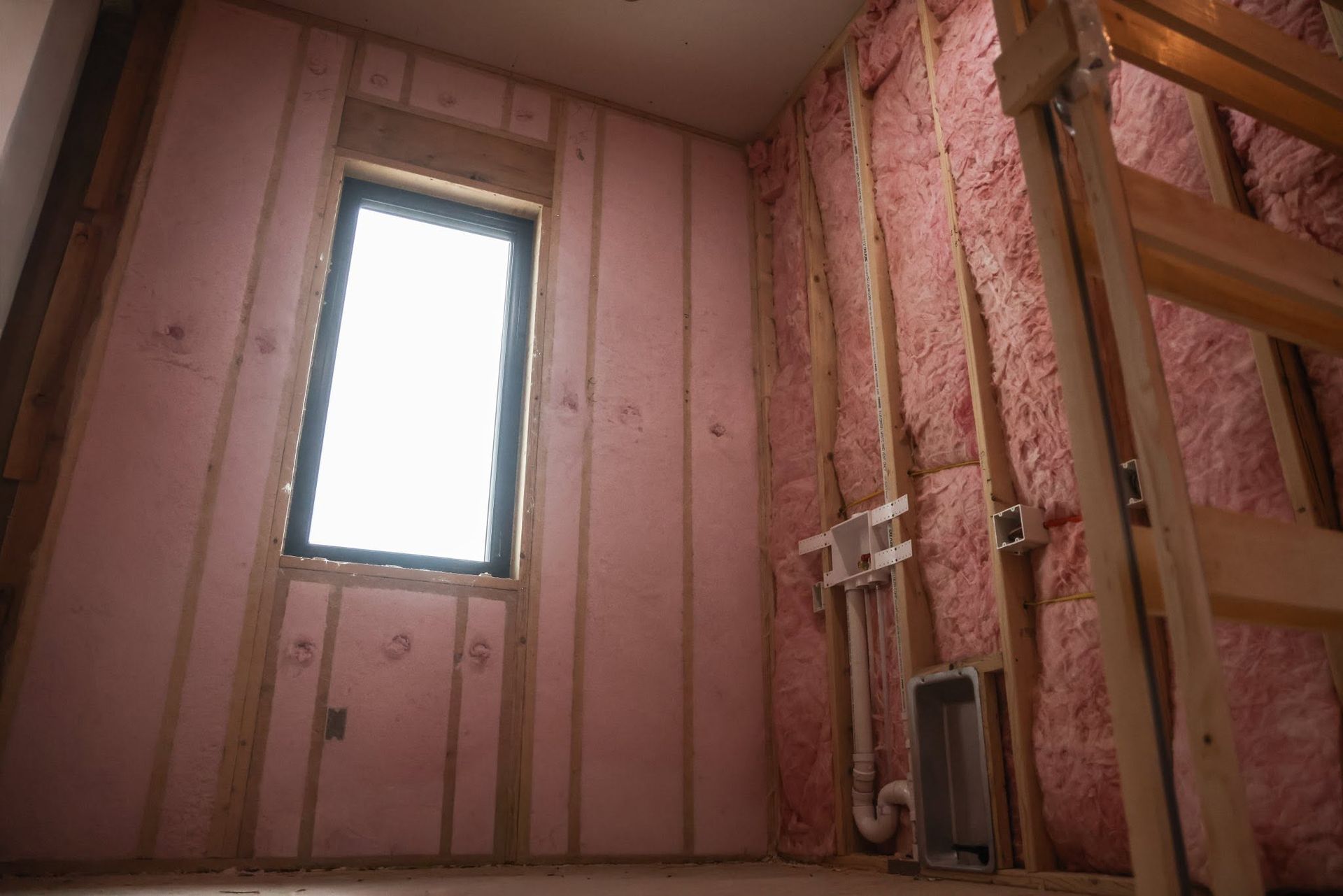
Sound transfers through walls and floors when framing members conduct vibrations or air cavities amplify noise, making conversations audible between bedrooms, transmitting television audio to adjacent spaces, or allowing footsteps from upper floors to echo into rooms below. Sound insulation installed within framing cavities absorbs airborne noise and dampens vibration transmission, reducing sound transfer without requiring structural modifications. AB Insulation, LLC installs acoustic insulation in Sioux Falls homes where open floor plans, home offices, media rooms, or multi-generational living arrangements demand privacy and noise control. Insulation reduces sound transmission by filling the air gap between wall studs or floor joists, interrupting the path that allows noise to travel from one space to another.
The installation process involves placing dense insulation batts or blown material within wall and floor cavities during construction or renovation, combined with techniques such as resilient channels, staggered studs, or multiple drywall layers to further decouple surfaces. Higher-density insulation absorbs more sound energy across a wider frequency range, improving performance for both speech and impact noise.
Schedule a consultation to evaluate which walls and floors would benefit most from acoustic treatment based on your home's layout and noise sources.
How Sound Insulation Reduces Noise Transfer
Sound insulation works by adding mass and absorption within cavities, converting sound energy into heat rather than allowing it to pass through the assembly. Dense fiberglass or mineral wool batts absorb airborne sound frequencies, while filling the cavity prevents the resonance that amplifies noise in hollow walls. For floor assemblies, insulation reduces impact noise from footsteps and dropped objects by dampening vibrations before they reach the ceiling below.
Once installed, conversations in one room no longer carry clearly into adjacent spaces, television and music volume does not intrude on nearby bedrooms, and footsteps from upstairs become muffled rather than distinct impacts. The difference is particularly noticeable in homes where bedroom walls adjoin living areas or where home theaters share framing with quiet spaces. AB Insulation, LLC applies sound insulation in configurations that match the specific noise control requirements of each room pairing.
Effective acoustic performance requires sealing gaps around electrical boxes, door frames, and HVAC penetrations that allow sound to bypass the insulated cavity. Combining insulation with resilient drywall mounting or adding a second layer of drywall increases the overall sound transmission class rating of the assembly.
What Property Owners Usually Ask
Homeowners in Sioux Falls often ask about sound insulation when planning renovations or dealing with noise issues in existing construction.
What areas benefit most from sound insulation?
Interior walls between bedrooms and living spaces, floors above finished basements or between stories, and walls surrounding home offices or media rooms see the greatest noise reduction benefit when sound insulation is added to the framing cavities.
How does sound insulation differ from thermal insulation?
Sound insulation uses denser materials that absorb vibrations across a range of frequencies, while thermal insulation prioritizes trapping air to slow heat transfer. Acoustic performance depends on material density and cavity sealing rather than R-value alone.
When should sound insulation be installed?
During new construction or renovation when wall and floor cavities are open and accessible before drywall or finish flooring is installed. Retrofit installations are possible but require removing drywall to access the cavities.
What results can be expected after installation?
Noise from adjacent rooms becomes less intrusive, conversations are not easily overheard through walls, and footsteps or other impact sounds from upper floors are noticeably quieter. The degree of improvement depends on the overall assembly, including drywall attachment methods and gap sealing.
How is sound insulation installed in floor assemblies?
Batts or blown insulation fill the joist cavities between floors, and resilient channels or isolation clips may be added to decouple the ceiling drywall from the joists. Sealing around electrical boxes and HVAC ducts prevents sound flanking through gaps.
AB Insulation, LLC installs sound insulation in Sioux Falls homes where noise control between rooms and floors improves privacy and comfort. Call to discuss which spaces would benefit from acoustic treatment and receive a project estimate based on your specific noise reduction priorities.