
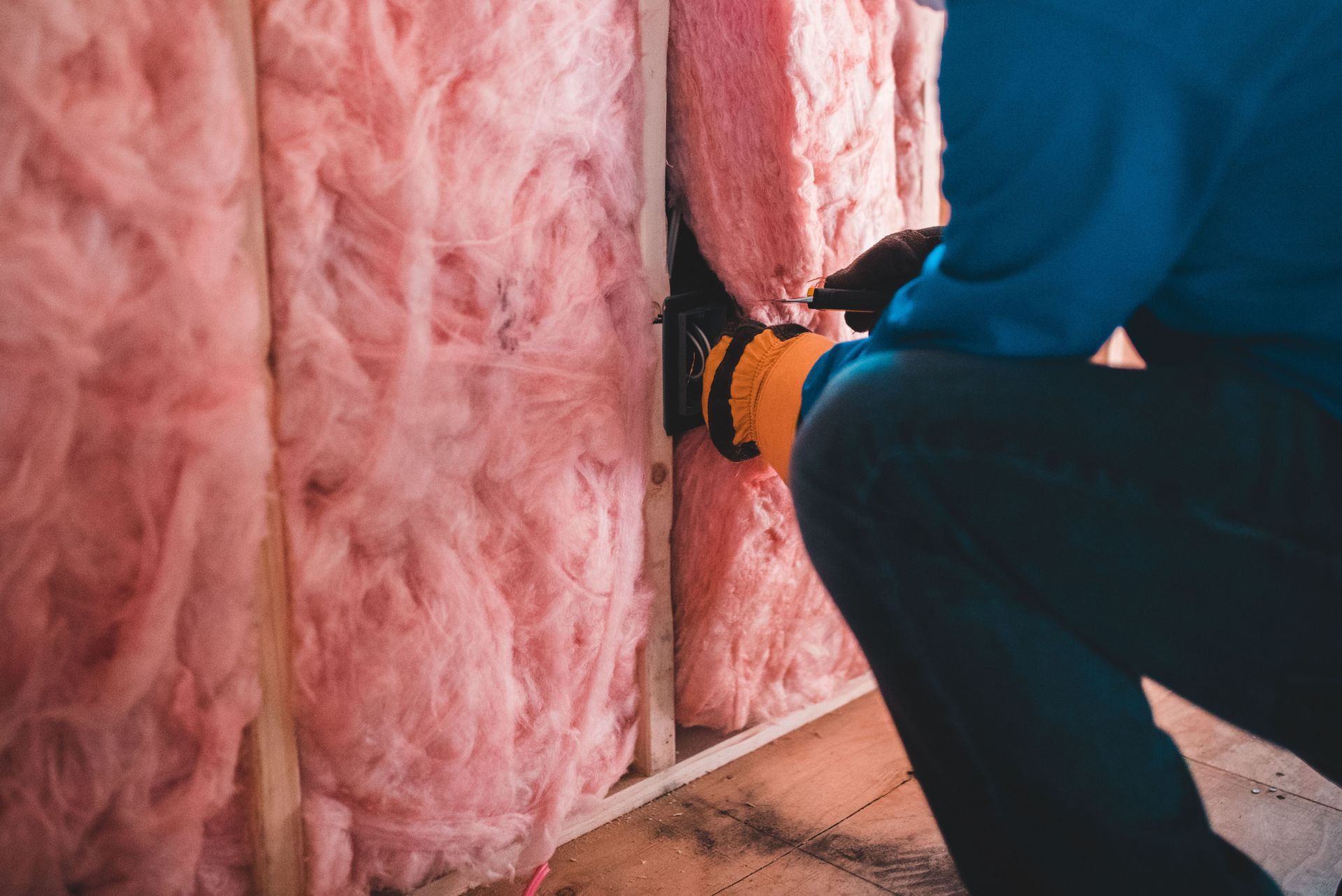
Clearing Out What No Longer Works
Insulation Removal in Sioux Falls for attics with damaged or contaminated material
Old insulation doesn't just lose effectiveness over time—it can harbor moisture, mold, pest debris, and compressed fibers that no longer provide thermal resistance. AB Insulation, LLC removes compromised insulation from attics, walls, and crawl spaces throughout Sioux Falls, preparing spaces for new material that actually performs. You'll notice cleaner air, better temperature control, and elimination of musty odors once the old material is gone and replaced.
Removal involves extracting blown-in cellulose, fiberglass batts, or damaged foam, then vacuuming residual particles and cleaning the structural surfaces beneath. In Sioux Falls, freeze-thaw cycles and seasonal humidity often cause insulation to settle unevenly or trap condensation, reducing R-value and creating conditions for microbial growth. Proper removal addresses not just the insulation itself but the underlying conditions that caused deterioration.
Schedule an attic inspection to determine whether removal is needed before installing new insulation.
What Happens After Old Insulation Is Removed
The removal process starts with containment barriers to prevent dust and debris from spreading into living spaces, followed by extraction using industrial vacuums designed for insulation material. Technicians inspect the exposed structure for signs of leaks, pest entry points, or ventilation issues that contributed to the original failure. Addressing these problems before installing new insulation prevents the same deterioration cycle from repeating.
Once removal is complete, you'll see bare attic joists or wall cavities, with no debris, odors, or visible contamination remaining. The space is ready for air sealing, ventilation corrections, and installation of fresh insulation that matches the structure's thermal requirements. Homes in Sioux Falls typically see immediate improvement in heating efficiency during winter months, when outdoor temperatures regularly drop below freezing and inadequate insulation causes heat loss through the roof deck.
This service is most often needed when pest infestations have occurred, when water damage has saturated existing material, or when insulation has settled to less than half its original thickness. Some properties require removal simply because outdated materials like vermiculite or urea-formaldehyde foam pose health concerns and need replacement with modern alternatives.
What Property Owners Usually Ask
Questions about insulation removal often focus on timing, process details, and what comes next after the old material is gone.
What tools are used to remove blown-in insulation?
Industrial vacuum systems with HEPA filtration extract loose-fill materials, while bagged insulation is hand-removed and sealed for disposal to prevent airborne particles from spreading.
How long does the removal process take for a typical attic?
Most residential attics in Sioux Falls require four to eight hours depending on square footage, insulation type, and accessibility, with additional time needed if structural cleaning or repairs are necessary.
When should insulation be removed instead of adding more on top?
Removal is necessary when existing material is wet, moldy, pest-damaged, or compressed beyond effectiveness—adding new insulation over compromised material doesn't solve the underlying problem and can trap moisture.
What happens to the removed insulation?
Material is bagged and transported to appropriate disposal facilities, with contaminated insulation handled separately from clean material to meet waste management requirements in Sioux Falls.
How soon after removal can new insulation be installed?
Installation can begin immediately if the structure is dry and any necessary repairs or air sealing are completed first, ensuring the new insulation performs as intended from the start.
AB Insulation, LLC handles removal projects across residential and commercial properties, ensuring spaces are properly prepared for insulation upgrades. Request a detailed assessment to determine the scope of removal needed and the best replacement approach for your building.