Loose-Fill Coverage for Irregular Attic Spaces
Fiberglass Insulation in Sioux Falls for attics requiring fast installation and improved thermal resistance
Blown-in fiberglass fills attic floors quickly and adapts to spaces with complex framing, ductwork, and wiring that make batt installation impractical. The material is blown through a hose and distributed evenly across the attic floor, building depth until the target R-value is reached. AB Insulation, LLC applies blown fiberglass in Sioux Falls homes where attic insulation has deteriorated, settled below effective levels, or was never installed to adequate depth during original construction.
Fiberglass insulation works by trapping air within its fiber structure, slowing heat transfer between conditioned living spaces and the unconditioned attic. Blown fiberglass covers the attic floor uniformly without the gaps that occur when fitting batts around obstacles, and the lightweight material does not compress ceiling drywall. In homes with minimal existing attic insulation, adding blown fiberglass brings the R-value up to current standards without structural modifications.
Schedule a thermal evaluation to determine where insulation upgrades will reduce energy loss most effectively.
How Blown Fiberglass Addresses Heat Loss
Blown fiberglass reaches into corners, around cross-bracing, and along eaves where batt insulation leaves exposed areas that allow heat to escape. The application process involves controlling the blower to deposit material at consistent depth, ensuring that the entire attic floor meets the specified R-value. Fiberglass does not absorb moisture and dries quickly if exposed to minor roof leaks, reducing the risk of mold growth compared to materials that retain water.
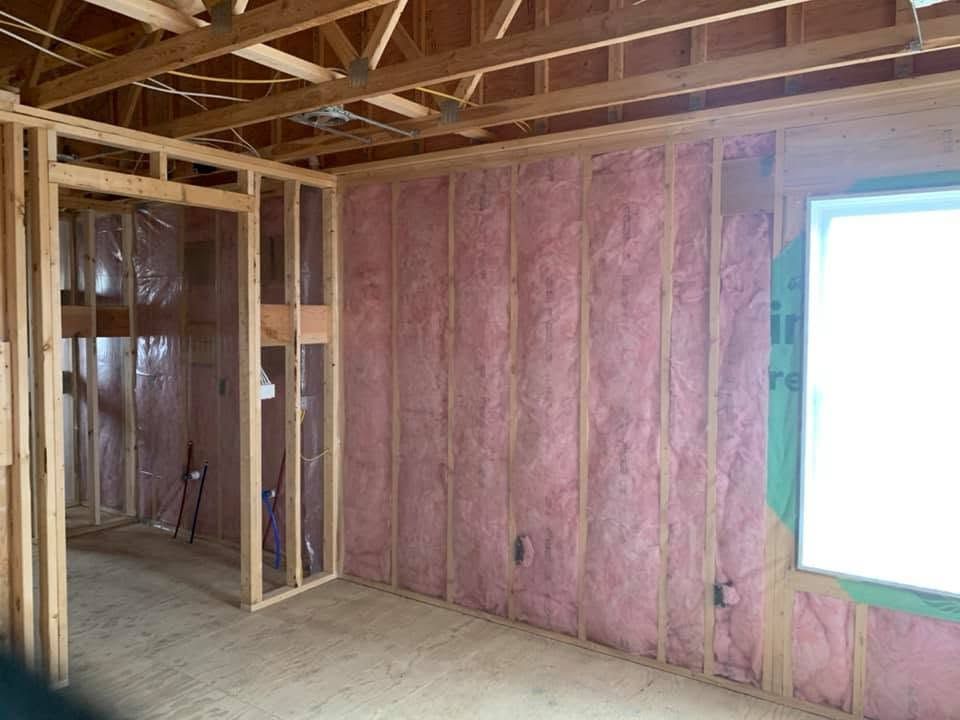
Once installed, the attic floor is covered with a thick layer of pink or white fiberglass that conceals joists and electrical runs. Upper-floor rooms remain cooler in summer and warmer in winter, and the HVAC system maintains set temperatures with fewer cycles. Heating bills decrease during cold months as less conditioned air escapes through the attic, and the home's overall energy profile improves.
Effective installation includes measuring depth after blowing to confirm coverage, maintaining clearance around heat-producing fixtures, and installing ventilation baffles to preserve airflow from soffit vents. The project does not require removing old insulation unless it is contaminated or severely compressed.
Common Questions About This Service
Sioux Falls homeowners often ask about how blown fiberglass compares to other insulation types and what the installation involves for their specific attic configuration.
What areas are best suited for blown fiberglass?
Attic floors with irregular framing, numerous penetrations, or existing insulation that needs supplementing benefit most from blown fiberglass because the material conforms to complex spaces without cutting or fitting individual pieces.
How does blown fiberglass compare to cellulose?
Fiberglass weighs less and does not settle as much over time, while cellulose provides slightly better air-sealing properties and uses recycled content. Both materials improve attic thermal performance when installed to proper depth.
When is adding blown fiberglass more practical than replacing batts?
When existing insulation is inadequate but not damaged, blowing additional fiberglass over the top raises the R-value without the labor and disruption of tearing out old material and installing new batts.
What depth of fiberglass is required in Sioux Falls?
Achieving an R-value of R-49 to R-60 typically requires 16 to 20 inches of blown fiberglass, depending on the product density and settling characteristics, which addresses the heating load during South Dakota winters.
How is ventilation maintained after adding insulation?
Baffles installed between rafters at the eaves keep insulation from blocking soffit vents, preserving the airflow that prevents moisture buildup and ice damming during winter.
AB Insulation, LLC installs blown-in fiberglass insulation in Sioux Falls attics where heat loss through inadequate coverage increases energy costs. Contact us to arrange an attic inspection and receive a project proposal based on your home's current insulation condition and target R-value requirements.