
Insulation Batts for New Construction and Replacements
Batt Insulation in Sioux Falls for wall cavities, floor joists, and basement ceilings needing structured thermal barriers
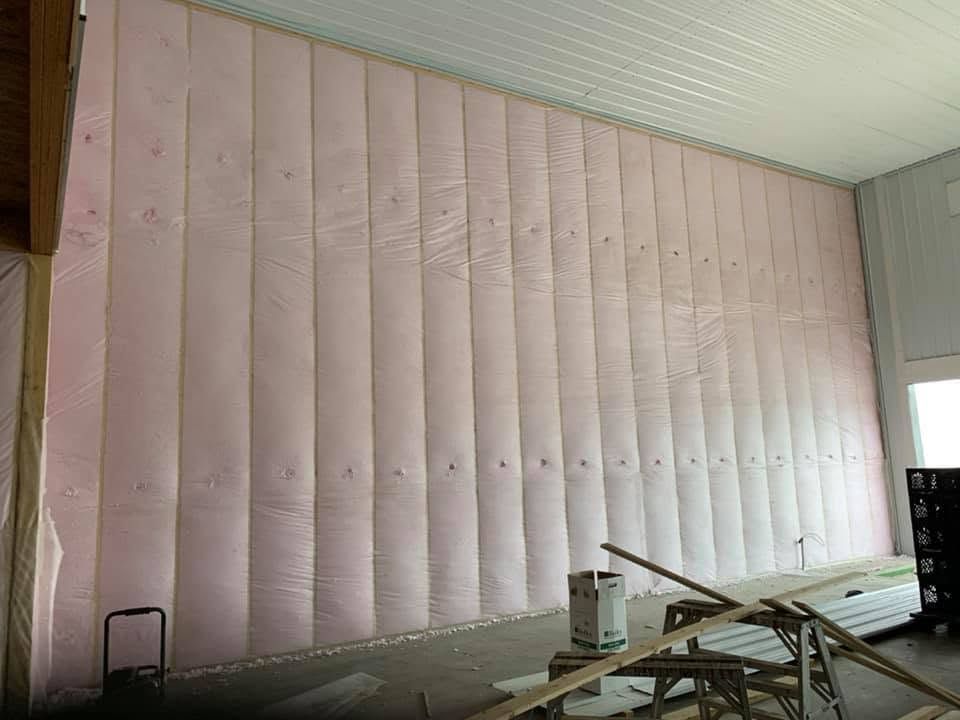
Batt insulation fits between studs, joists, and rafters in rectangular sections that provide consistent R-value when installed without gaps or compression. The material comes in pre-cut widths that match standard framing dimensions, simplifying installation in new construction and renovation projects. When walls feel cold to the touch, floors above unheated basements remain uncomfortable, or rooms near exterior walls never reach thermostat temperature, batt insulation installed correctly within the framing cavities stops conductive heat loss. AB Insulation, LLC installs fiberglass batts in Sioux Falls homes during framing stages and in existing spaces where wall or floor cavities are accessible for insulation upgrades.
Installation involves measuring and cutting batts to fit tightly within each cavity, ensuring no gaps remain around electrical boxes, plumbing, or irregular framing. Batts must be friction-fit without compression, as squeezing the material reduces its R-value by collapsing the air pockets that provide thermal resistance. In exterior walls and floors over unconditioned spaces, proper batt installation eliminates cold spots and drafts.
Arrange a framing inspection to identify wall and floor cavities that require insulation before drywall or sheathing is installed.
What Proper Batt Installation Requires
Batts must be cut to fit precisely around obstacles and fill the entire depth of the cavity without being compressed or folded. Gaps as small as one inch around electrical boxes or plumbing allow convective airflow that reduces the effective R-value of the entire wall or floor section. Faced batts include a vapor retarder that controls moisture movement, and the facing must be positioned correctly toward the conditioned space to prevent condensation within the cavity.
After installation, walls and floors no longer transmit cold through framing members, and rooms maintain consistent temperature without cold zones near exterior surfaces. Drafts around outlets disappear, floors feel warmer underfoot during winter months, and the heating system operates less frequently to maintain comfort. The insulation remains in place for the life of the building, provided it stays dry and is not disturbed during later remodeling.
Quality installation includes splitting batts around wiring rather than compressing them behind cables, supporting batts in floor joists with wire mesh or strapping to prevent sagging, and sealing the cavity with drywall or sheathing promptly to prevent air movement through the insulation layer. Vapor retarder placement depends on climate zone and whether the wall assembly includes exterior foam sheathing.
Questions Before Starting Your Project
Property owners in Sioux Falls typically ask about batt insulation when planning new construction or renovation work that exposes wall and floor cavities.
What spaces are best insulated with batts?
Wall cavities, floor joists above basements or crawl spaces, and basement ceilings benefit from batts because the material fits standard framing dimensions and installs quickly when cavities are accessible before finishing.
How is batt insulation installed correctly?
Each batt is measured and cut to fill the cavity completely, fitting snugly around wiring and plumbing without compression. The insulation is friction-fit between framing members and held in place by the drywall or sheathing installed afterward.
When should faced versus unfaced batts be used?
Faced batts with an attached vapor retarder are used in exterior walls and other locations where moisture control is required, with the facing positioned toward the heated interior space. Unfaced batts are used when adding insulation over existing layers or when a separate vapor barrier is installed.
What R-value is appropriate for walls in Sioux Falls?
Exterior walls typically require R-15 to R-21 depending on framing depth, while floors over unconditioned spaces benefit from R-30 or higher to prevent heat loss during winter when basement or crawl space temperatures drop significantly below living areas.
How does batt insulation perform over time?
Batts maintain their R-value indefinitely when kept dry and undisturbed, without settling or degrading. Proper installation that avoids compression ensures the material performs as rated throughout the building's lifespan.
AB Insulation, LLC installs batt insulation in Sioux Falls homes where wall and floor cavities require thermal barriers during construction or renovation. Request an installation estimate based on your project's framing dimensions and target R-value requirements.